Appliance Repair in Bakersfield

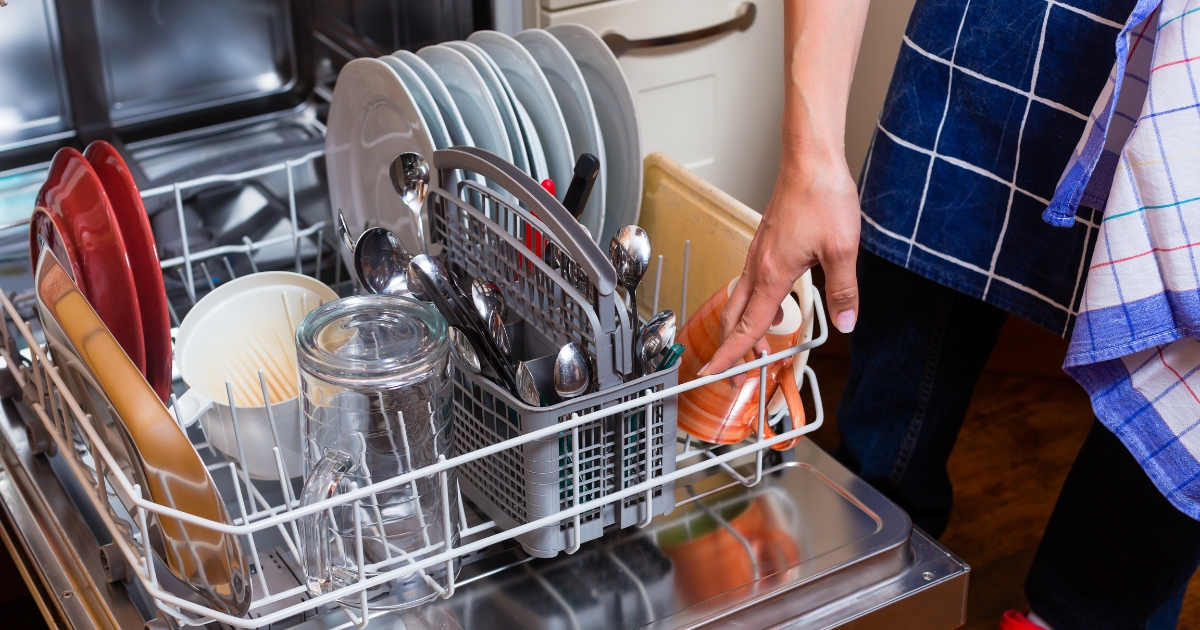
Dishwashers are essential appliances in modern kitchens, designed to save time and effort in cleaning dishes. However, like any mechanical device, they can encounter a variety of issues that hinder their performance. Some of the most common problems include failure to start, inadequate cleaning, strange noises during operation, and water leakage.
Each of these issues can stem from different causes, making it crucial for users to understand the symptoms and potential underlying problems. For instance, a dishwasher that fails to start may indicate an electrical issue, such as a blown fuse or a malfunctioning door latch. On the other hand, if dishes come out dirty or with food residue, it could be due to clogged spray arms or a malfunctioning filter.
Understanding these common problems is the first step toward effective troubleshooting and repair, allowing users to maintain their dishwashers in optimal working condition. Strong Arm Appliance Repair Map Location is the best place to get your appliances fixed.
Key Takeaways
- Common dishwasher problems include poor cleaning, unusual noises, and water leakage.
- The source of the issue can be identified by checking for water supply and drainage problems, as well as examining the dishwasher’s electrical components.
- Regular maintenance is important to prevent dishwasher problems and ensure its proper functioning.
- DIY dishwasher repairs can be done by examining the dishwasher’s filters and spray arms, testing the heating element, and troubleshooting error codes.
- If the issue persists or if there are leaks and water damage, it is important to call a professional for dishwasher repair.
Identifying the Source of the Issue
When faced with a malfunctioning dishwasher, the first step is to identify the source of the problem. This process often involves observing the dishwasher’s behavior and noting any unusual sounds or performance issues. For example, if the appliance makes a humming noise but does not fill with water, it may suggest a problem with the water inlet valve or a blockage in the water supply line.
Conversely, if the dishwasher fills with water but fails to drain, the issue could lie within the drainage system. To effectively diagnose the problem, users should also consider the age and model of their dishwasher. Older models may have different components and common issues compared to newer ones.
Additionally, consulting the user manual can provide valuable insights into specific error codes or troubleshooting steps tailored to that particular model. By systematically assessing these factors, users can narrow down potential causes and take appropriate action.
Checking for Water Supply and Drainage Problems
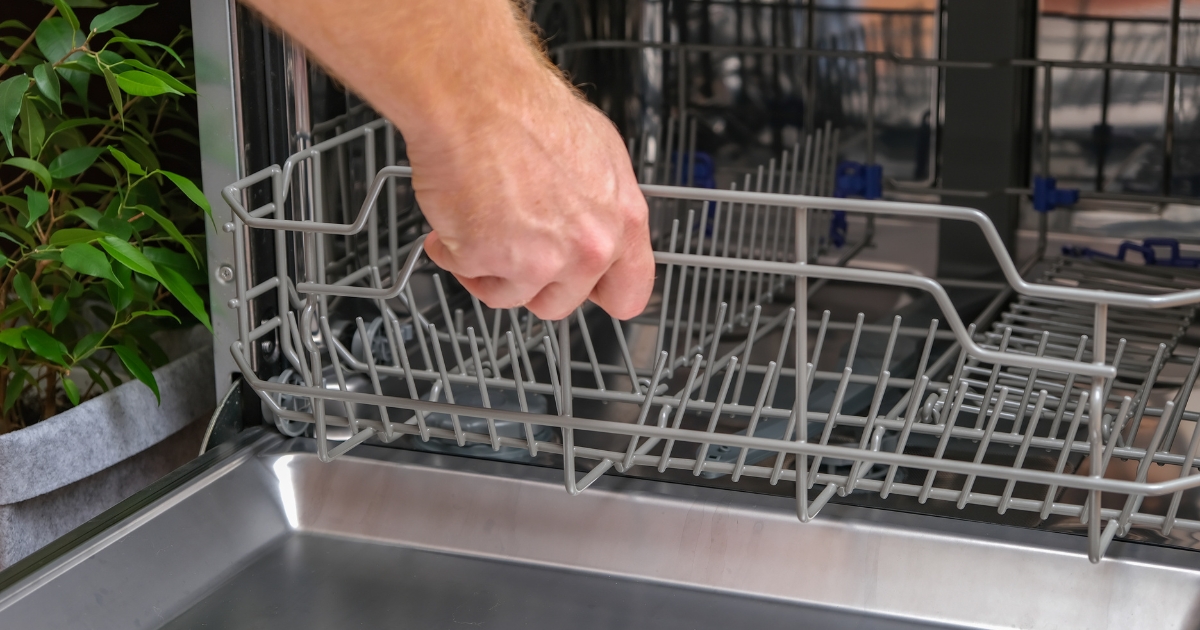
Water supply and drainage are critical components of any dishwasher’s operation. If a dishwasher is not receiving adequate water, it will struggle to clean dishes effectively. Users should first check the water supply valve, typically located under the kitchen sink, to ensure it is fully open.
A partially closed valve can restrict water flow, leading to poor cleaning performance. Additionally, inspecting the inlet hose for kinks or blockages is essential; any obstruction can prevent water from entering the dishwasher. On the drainage side, users should examine the drain hose for clogs or bends that could impede water flow.
The drain hose should be positioned correctly to allow for proper drainage; if it is too low or improperly installed, it may lead to backflow issues. Furthermore, checking the dishwasher’s filter for debris is crucial, as a clogged filter can prevent water from draining effectively. By addressing these water supply and drainage issues, users can significantly improve their dishwasher’s performance.
Assessing the Dishwasher’s Electrical Components
Electrical components play a vital role in a dishwasher’s functionality. If a dishwasher fails to start or respond to commands, it may be due to electrical issues such as a faulty power cord or a malfunctioning control panel. Users should begin by inspecting the power cord for any visible damage or fraying.
If the cord appears intact but the dishwasher still does not operate, checking the circuit breaker is advisable; a tripped breaker can cut off power to the appliance. In addition to these basic checks, users may need to delve deeper into the dishwasher’s electrical system. This could involve testing components such as the door latch switch, which ensures that the dishwasher operates only when the door is securely closed.
A malfunctioning switch can prevent the appliance from starting altogether. Furthermore, examining the control board for signs of damage or burnt components can reveal underlying electrical issues that require attention.
Examining the Dishwasher’s Filters and Spray Arms
Filters and spray arms are crucial for ensuring that dishes are cleaned thoroughly in a dishwasher. Over time, food particles and debris can accumulate in the filters, leading to reduced water flow and ineffective cleaning. Users should regularly remove and clean these filters according to the manufacturer’s recommendations.
A clogged filter not only hampers performance but can also lead to unpleasant odors within the appliance. Similarly, spray arms must be free from obstructions to function correctly. Users should inspect each spray arm for clogs caused by food particles or mineral buildup.
Many spray arms have small holes that can become blocked; using a toothpick or a small brush can help clear these obstructions. Ensuring that both filters and spray arms are clean will enhance water circulation and improve overall cleaning efficiency.
Testing the Dishwasher’s Heating Element
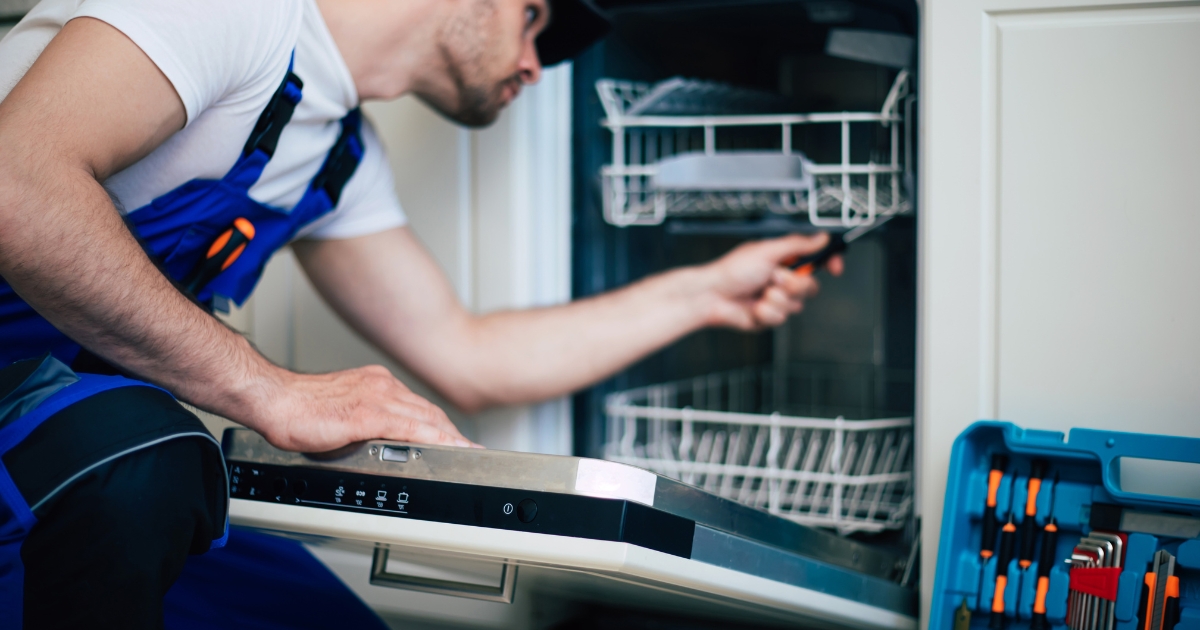
The heating element is responsible for raising the water temperature during a wash cycle, which is essential for effective cleaning and sanitization of dishes. If dishes come out dirty or greasy despite proper washing cycles, it may indicate that the heating element is malfunctioning. Users can test this component using a multimeter to check for continuity; if there is no continuity, it may need replacement.
In addition to testing for continuity, users should also observe whether the water reaches an adequate temperature during operation. If the dishwasher runs but does not heat water properly, it could lead to poor cleaning results. Some dishwashers have built-in diagnostics that can indicate heating element issues; consulting the user manual for specific troubleshooting steps related to heating problems can provide further guidance.
Checking for Leaks and Water Damage
Leaks are one of the most concerning issues that can arise with dishwashers, as they can lead to significant water damage in kitchens. Users should regularly inspect their dishwashers for signs of leaks around door seals, hoses, and connections. A worn or damaged door gasket can allow water to escape during cycles; replacing this gasket is often a straightforward fix that can prevent further damage.
Additionally, examining hoses for cracks or loose connections is essential in identifying potential leak sources. If users notice pooling water beneath their dishwasher or dampness on surrounding surfaces, it is crucial to address these leaks promptly. Ignoring leaks can lead to mold growth and structural damage over time, making early detection and repair vital for maintaining both appliance functionality and kitchen integrity.
Troubleshooting Dishwasher Error Codes
Modern dishwashers often come equipped with diagnostic systems that display error codes when malfunctions occur. These codes serve as valuable indicators of specific issues within the appliance. Users should consult their user manuals to interpret these codes accurately; many manuals provide detailed explanations of what each code means and suggested troubleshooting steps.
For example, an error code indicating a problem with water drainage may prompt users to check for clogs in the drain hose or filter. Similarly, codes related to heating issues may suggest testing the heating element or examining electrical connections. By understanding these error codes and following recommended troubleshooting procedures, users can efficiently address problems without unnecessary guesswork.
Understanding the Importance of Regular Maintenance
Regular maintenance is key to prolonging the lifespan of a dishwasher and ensuring optimal performance over time. Simple tasks such as cleaning filters and spray arms should be performed routinely to prevent buildup that could lead to more significant issues down the line. Additionally, running a maintenance cycle with vinegar or specialized dishwasher cleaners can help remove mineral deposits and odors that accumulate over time.
Users should also pay attention to their dishwasher’s overall condition by checking hoses for wear and inspecting seals for damage regularly. Keeping an eye on these components allows users to catch potential problems early before they escalate into costly repairs or replacements. By prioritizing regular maintenance, users can enjoy efficient cleaning performance while extending their appliance’s longevity.
Knowing When to Call a Professional for Dishwasher Repair
While many dishwasher issues can be resolved through DIY troubleshooting and repairs, there are instances when professional assistance is necessary. If users encounter complex electrical problems or persistent leaks that they cannot identify or fix themselves, it may be time to call in an expert technician. Professionals have specialized training and tools that enable them to diagnose and repair issues more effectively than most homeowners.
Additionally, if a dishwasher is still under warranty, attempting repairs without professional assistance could void that warranty. In such cases, contacting the manufacturer or an authorized service provider is advisable to ensure that any repairs are covered under warranty terms. Knowing when to seek professional help can save users time and money while ensuring their appliance receives proper care.
Tips for DIY Dishwasher Repairs
For those who prefer tackling repairs themselves, several tips can enhance success rates in DIY dishwasher repairs. First and foremost, always consult the user manual before attempting any repairs; it often contains valuable information about specific components and troubleshooting steps tailored to your model. Additionally, gathering necessary tools such as screwdrivers, pliers, and multimeters beforehand can streamline the repair process.
When disassembling parts of the dishwasher for inspection or repair, take care to document each step with photos or notes; this will make reassembly easier later on. Furthermore, when replacing parts such as filters or gaskets, ensure that you purchase genuine replacement parts compatible with your specific model; using incorrect parts can lead to further complications down the line. By following these guidelines and being proactive about maintenance and repairs, users can keep their dishwashers running smoothly while minimizing downtime and repair costs.
If you are struggling with diagnosing a dishwasher problem, you may also find the article How to Repair an LG Refrigerator: A Complete Guide helpful. This comprehensive guide provides step-by-step instructions on how to troubleshoot and fix common issues with LG refrigerators. Additionally, Strong Arm Appliance offers professional appliance repair services to help you with any appliance problems you may encounter.
FAQs
What are common dishwasher problems?
Some common dishwasher problems include not draining properly, not cleaning dishes effectively, making strange noises, and not turning on at all.
How do you diagnose a dishwasher problem?
To diagnose a dishwasher problem, you can start by checking for any visible signs of damage or blockages in the dishwasher’s components. You can also run a diagnostic cycle if your dishwasher has that feature, or consult the user manual for troubleshooting tips.
When should you call a professional for dishwasher repair?
You should call a professional for dishwasher repair if you are unable to diagnose the problem yourself, if the issue is beyond your skill level to fix, or if the dishwasher is still under warranty and requires authorized service.
What are some common DIY solutions for dishwasher problems?
Some common DIY solutions for dishwasher problems include cleaning the dishwasher filter, checking for clogs in the drain hose, ensuring the water supply is connected properly, and running a cleaning cycle with vinegar to remove mineral buildup.
How can regular maintenance help prevent dishwasher problems?
Regular maintenance such as cleaning the filter, checking for clogs, and running cleaning cycles with vinegar can help prevent dishwasher problems by keeping the components in good working condition and preventing buildup of debris and mineral deposits.
