
Dishwasher error codes serve as a diagnostic language, communicating specific issues your appliance is facing. Understanding these codes is the first step to troubleshooting and resolving most common problems. Just as a doctor uses symptoms to diagnose an ailment, your dishwasher uses error codes to signal what’s out of sync. Ignoring these codes is akin to ignoring a warning light on your car’s dashboard; it can lead to more significant damage.
When your dishwasher displays an enigmatic sequence of lights or letters, it’s not a sign of malicious intent from the machine. Instead, it’s a direct communication channel designed to guide you toward a solution. These codes are typically found in your appliance’s user manual, but for convenience, this article categorizes common error codes by the problem they represent, offering actionable advice.
A dishwasher’s ability to clean effectively hinges on a consistent and adequate supply of water. When this fundamental requirement is not met, the appliance will signal a problem. These errors often relate to the water supply itself, the inlet valve that controls water flow, or internal sensors monitoring water levels.
Lack of Water Supply
One of the most straightforward series of error codes indicates that the dishwasher is not receiving water. This can manifest in various ways, from a complete absence of water to a trickle.
No Water Entering the Dishwasher
This is a critical error. If no water enters the dishwasher, the cleaning cycle cannot begin, and the machine will likely halt progress and display an error. This could be due to an external problem.
- Closed Water Valve: The most basic check is to ensure the water supply valve to the dishwasher is fully open. This valve is often located under the sink. Think of it as the main artery supplying lifeblood to your machine. If it’s kinked or closed, the body cannot function.
- Kinked or Blocked Inlet Hose: The flexible hose connecting the water supply to the dishwasher can become kinked, obstructing the flow of water. Over time, mineral deposits or debris can also accumulate within the hose, creating a blockage. Gently straighten any kinks and inspect the hose for damage.
- Low Water Pressure: If your home’s overall water pressure is insufficient, the dishwasher may struggle to fill. This is less common as a sudden error but can be a persistent issue. You might notice other faucets in your home have weak streams.
- Frozen Inlet Hose (in cold climates): In colder environments, if the dishwasher is located in an unheated area, the inlet hose can freeze, preventing water from entering. This requires careful thawing.
Insufficient Water Filling
Sometimes, water enters the dishwasher, but not in the quantity or at the speed required by the cycle. This can lead to incomplete cleaning and sub-optimal performance.
- Partially Closed Water Valve: Similar to a completely closed valve, a partially opened valve will restrict water flow. Ensure it is fully open.
- Partially Kinked or Blocked Inlet Hose: A less severe kink or partial blockage can allow some water to fill, but not enough. Further inspection and potential replacement of the hose may be necessary.
- Faulty Water Inlet Valve: The water inlet valve is an electronically controlled component that opens to allow water into the dishwasher. If this valve is failing, it might not open fully, or it might be slow to respond. This is a part that often needs professional replacement.
- Clogged Inlet Filter: Many dishwashers have a small filter at the point where the water enters the machine. This filter can become clogged with debris, restricting water flow. Consult your manual for its location and cleaning instructions.
Water Level Sensor Issues
Modern dishwashers utilize sensors to monitor the water level during filling and operation. A malfunctioning sensor can misinterpret water levels, leading to errors.
- Faulty Water Level Sensor: If the sensor itself is defective, it may provide incorrect readings to the control board, causing the dishwasher to stop filling prematurely or overfill, triggering an error code.
- Blocked Water Level Tube: The sensor often works in conjunction with a tube that detects water pressure. If this tube becomes blocked with sediment or debris, the sensor will not receive accurate pressure readings.
If you’re looking to troubleshoot your dishwasher and understand common error codes, you might also find it helpful to learn how to reset your appliances when they encounter issues. For a comprehensive guide on resetting LG washers, you can check out this related article: How to Reset LG Washer: A Complete Guide. This resource provides valuable insights that can enhance your overall appliance maintenance skills.
Drainage Problems
Efficiently removing dirty water after each wash cycle is as crucial as filling with clean water. If your dishwasher fails to drain properly, you’ll encounter error codes signaling this malfunction. These issues can stem from a clogged drain, a faulty pump, or problems with the drain hose.
Incomplete Drainage
This is perhaps the most common drainage-related error. The dishwasher attempts to drain, but residual water remains in the tub.
- Clogged Drain Filter: The drain filter, often located at the bottom of the dishwasher tub, is designed to catch food particles and debris. If it becomes clogged, water cannot pass through to the drain pump. This is a frequent culprit and usually a simple fix.
- Clogged Drain Hose: The hose that carries water from the dishwasher to the household drain can become blocked with grease and food debris. This is like a clogged artery in a plumbing system; it impedes the flow of waste.
- Kinked Drain Hose: Similar to the inlet hose, the drain hose can become kinked, preventing water from evacuating the tub.
- Food Debris in the Pump Impeller: The drain pump is responsible for pushing water out. If food particles or other debris become lodged in the pump’s impeller (the spinning part), it can prevent the pump from operating effectively.
Failure to Drain Completely
In some cases, the dishwasher may appear to drain, but a significant amount of water remains trapped, indicating a more persistent blockage.
- Air Gap Obstruction (if applicable): Some plumbing installations include an air gap device to prevent backflow. If this air gap becomes clogged, it can impede proper drainage.
- Blocked Household Drain Line: The problem might not be within the dishwasher itself but with your home’s plumbing. If the sink drain connected to the dishwasher’s drain line is fully clogged, the wastewater has nowhere to go.
- Faulty Drain Pump: The drain pump is a motor-driven component. If it fails or its internal mechanism is damaged, it will be unable to expel water effectively. This often requires professional repair or replacement.
- Faulty Check Valve: Some dishwashers have a check valve in the drain line that prevents drained water from flowing back into the tub. If this valve is stuck closed, it will impede drainage.
Washing Performance Issues
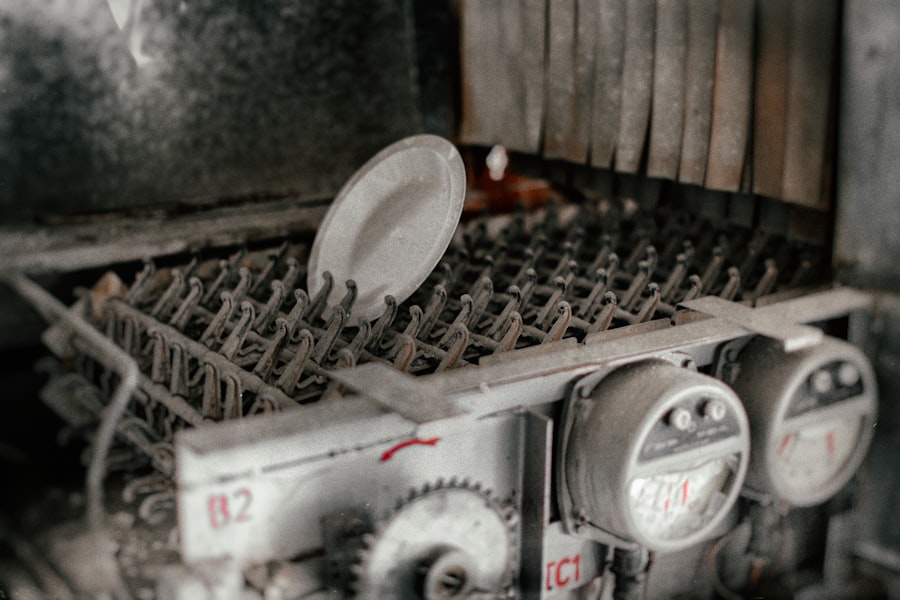
While not always signaled by a direct error code, issues with the fundamental cleaning process can sometimes manifest as cryptic messages. These errors often point to problems with the circulation pump, spray arm obstructions, or detergent dispensing.
Inadequate Water Circulation
For water to effectively dislodge food particles, it needs to be pumped with sufficient force through the spray arms.
- Clogged or Blocked Spray Arms: The small holes in the spray arms can become clogged with food debris or mineral deposits, preventing water from being distributed evenly. This is like a showerhead with blocked nozzles; the cleaning spray is compromised.
- Low Water Pressure: As mentioned earlier, insufficient water pressure to the machine can affect the spray arms’ performance.
- Faulty Circulation Pump: Similar to the drain pump, the circulation pump is a vital component. If it’s weak, damaged, or has a failing motor, the water will not be propelled with enough force to clean the dishes.
Detergent Dispensing Problems
The correct amount of detergent released at the appropriate time is essential for cleaning.
- Faulty Detergent Dispenser: The dispenser mechanism can fail to open, or it might release detergent too early or too late in the cycle.
- Detergent Clumping: If detergent clumps due to humidity or age, it may not dissolve properly and can clog the dispenser.
You can find the exact location of Strong Arm Appliance Repair by visiting the Strong Arm Appliance Repair Map Location.
Heating and Drying Malfunctions
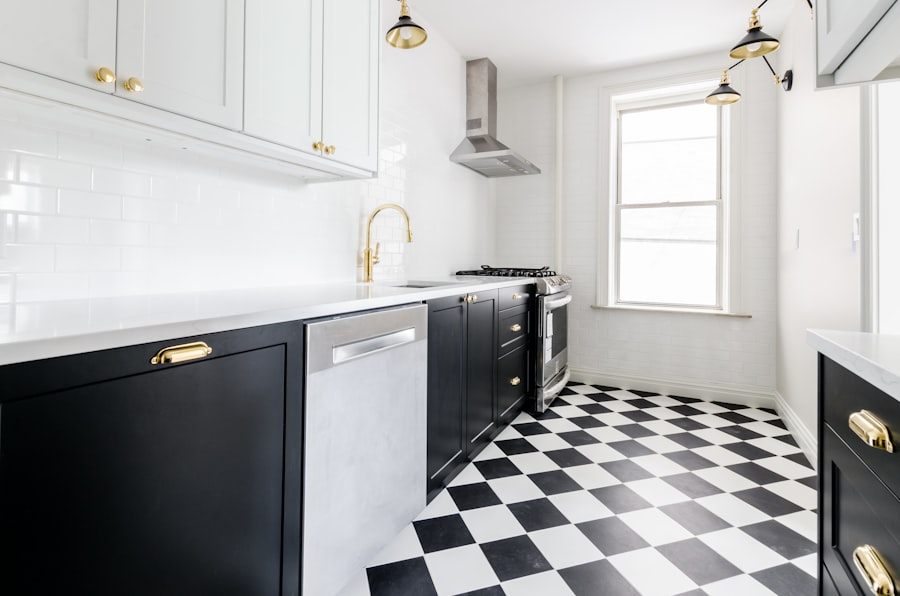
A dishwasher’s ability to sanitize and dry dishes relies on its heating element and proper ventilation. Errors in this area can lead to damp dishes or a failure to reach optimal cleaning temperatures.
Inadequate Water Heating
Sanitization and effective grease cutting often depend on hot water.
- Faulty Heating Element: The heating element is responsible for raising the water temperature. If it burns out or malfunctions, the water will remain cool, impacting cleaning performance and potentially triggering an error.
- Faulty Water Temperature Sensor: This sensor tells the control board the water temperature. If it’s inaccurate, the heating element may not activate when needed.
- Thermostat Issues: The thermostat regulates the heating element. If it’s malfunctioning, it can prevent the water from reaching the desired temperature.
Drying Problems
Leaving you with damp dishes after a cycle indicates a drying issue.
- Malfunctioning Heating Element: As mentioned in heating issues, a faulty heating element directly impacts drying.
- Ventilation Problems: For dishes to dry, moist air needs to be expelled. If the vent is blocked or the vent fan (if equipped) is not functioning, moisture will remain.
- Incorrect Cycle Selection: Some cycles have specific drying features or durations. Ensure you are using an appropriate cycle for effective drying.
- Overloading the Dishwasher: Cramming too many dishes into the dishwasher can prevent air circulation, hindering the drying process.
If you’re experiencing issues with your dishwasher, understanding common error codes can be incredibly helpful in diagnosing the problem. For more detailed information on how to troubleshoot these codes effectively, you might find it useful to check out this related article. It provides insights into various error messages and their meanings, ensuring you can tackle any issues that arise. For further assistance or to get in touch with professionals, you can visit this page for more information.
Control System and Electrical Faults
| Error Code | Description | Possible Cause | Recommended Action |
|---|---|---|---|
| E1 | Water Fill Error | Water supply issue or inlet valve problem | Check water supply and inlet valve; ensure water is turned on |
| E2 | Drainage Error | Drain hose clogged or drain pump malfunction | Clear drain hose and check drain pump for blockages |
| E3 | Heating Error | Heating element failure or thermostat issue | Inspect heating element and thermostat; replace if faulty |
| E4 | Water Leakage Detected | Leak sensor triggered due to water leak | Check for leaks and repair any damaged seals or hoses |
| E5 | Door Lock Error | Door not properly closed or door lock malfunction | Ensure door is fully closed; inspect door lock mechanism |
| E6 | Overflow Error | Excess water detected inside the dishwasher | Turn off dishwasher and water supply; call service technician |
| E7 | Sensor Error | Faulty water level or temperature sensor | Check and replace faulty sensors as needed |
The control board is the brain of your dishwasher, orchestrating all its functions. When this electronic system encounters an issue, it can manifest in a wide range of error codes. These faults can be due to power surges, component failures, or sensor misinterpretations.
Control Board Malfunctions
The main control board manages all operations. A problem here can be complex.
- Power Surge Damage: A sudden surge in electrical power can damage delicate electronic components on the control board.
- Component Failure: Individual electronic components on the board can fail over time due to age or manufacturing defects.
- Software Glitches: Like any computer system, the dishwasher’s control board runs on software that can, on rare occasions, develop minor glitches. A power cycle might resolve these.
Sensor Communication Errors
Various sensors throughout the dishwasher communicate with the control board. If this communication breaks down, errors will arise.
- Faulty Door Latch Sensor: The dishwasher will not operate if the door is not securely latched. The sensor detecting this can malfunction, leading to an error.
- Internal Wiring Issues: Loose or damaged internal wiring can disrupt communication between sensors, the control board, and other components.
- Motor Errors: Issues with the circulation or drain pump motors can be communicated back to the control board, triggering an error code. These motors are the workhorses, and if they falter, the system flags it.
Intermittent Operation
One of the most frustrating issues is when the dishwasher works sometimes and not others. Error codes in these situations can be particularly elusive.
- Loose Connections: Intermittent errors can sometimes be traced to loose electrical connections that make and break contact unexpectedly.
- Overheating Components: Certain components may overheat during operation and cause temporary shutdowns or error messages. Once cooled, they might function again.
- Drainage Issues Under Load: A partially clogged drain system might function adequately with a small amount of water but struggle when the tub is full.
Understanding these common error codes empowers you to take the initial steps in troubleshooting. Many issues, such as cleaning filters or checking hose connections, are within the realm of DIY repair. However, for more complex electrical or mechanical problems, consulting your user manual for specific code explanations and seeking professional assistance is always advisable. The dishwasher, like any intricate machine, has its own language, and learning to interpret its messages can save you time, money, and unnecessary frustration.
FAQs
What do dishwasher error codes mean?
Dishwasher error codes are alphanumeric or numeric signals displayed on the control panel to indicate specific problems or malfunctions within the appliance. They help users and technicians diagnose issues quickly.
What are some common dishwasher error codes?
Common dishwasher error codes include E1 or F1 for water inlet issues, E2 or F2 for drainage problems, E3 or F3 for heating element faults, and E4 or F4 for door latch errors. Codes vary by brand and model.
How can I find the meaning of a specific dishwasher error code?
The best way to identify the meaning of a specific error code is to consult the dishwasher’s user manual or the manufacturer’s website, where error code lists and troubleshooting steps are usually provided.
Can I fix dishwasher error codes myself?
Some error codes can be resolved by simple actions like resetting the dishwasher, checking water supply, or cleaning filters. However, more complex issues may require professional repair to avoid damage or safety risks.
Why is it important to address dishwasher error codes promptly?
Addressing error codes promptly helps prevent further damage to the dishwasher, ensures efficient operation, and can save on costly repairs. Ignoring error codes may lead to appliance failure or water leaks.
